

A Montessori Middle School Designed for Adolescence
Adolescents need to be trusted with real responsibility, drawn toward purpose, and given room to test their judgment against the real world. Our Middle School program, covering grades 7 through 8, is built around exactly that.
Adolescence, taken seriously.
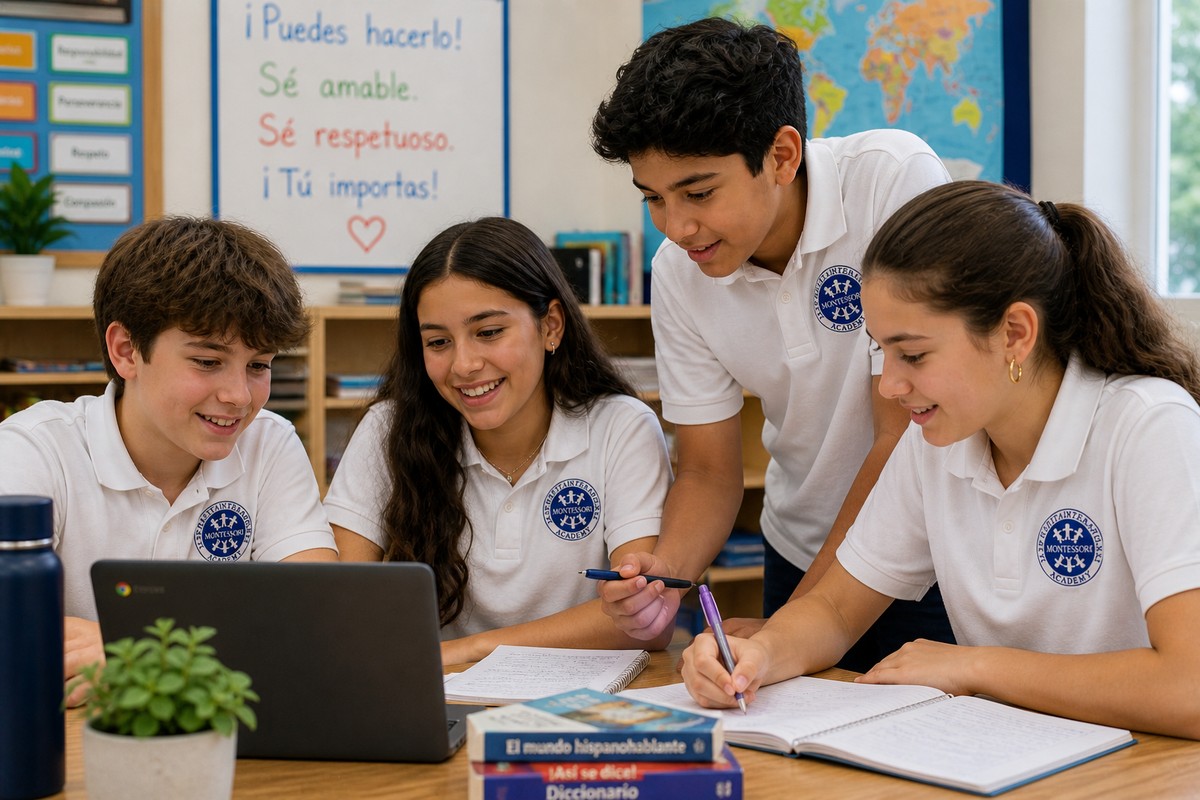
Between the ages of 12 and 15, adolescents undergo some of the most significant development of their lives, socially, emotionally, and intellectually. They are seeking independence, testing their own judgment, forming a stronger sense of identity, and looking for meaningful ways to contribute beyond themselves.
Rather than working against these developmental needs, our Middle School program is built around them. Students take on real responsibility, engage with ideas that matter, and are trusted to manage their own time and commitments, all within a structure that still offers the guidance and support adolescents need.
Real ownership of real academic work.
Students build upon the habits Montessori education values—independence, sustained attention, collaboration, reflection, and responsibility—whether they have grown up in Montessori or are joining the approach for the first time, taking on far greater ownership of their own academic path.
Interdisciplinary Seminars
Discussion-based study connects literature, history, science, and current events, challenging students to reason and argue with evidence.
Self-Directed Work Plans
Students plan, track, and manage multi-week projects and assignments themselves, with guides coaching rather than dictating each step.
High School Readiness
Independent research, sustained writing, and academic rigor develop habits that support a confident transition to high school and future academic environments.
Leadership that comes from responsibility, not titles.
As the oldest students on campus, AIA Middle Schoolers are looked to, and lean into it. Leadership at this stage is practiced daily, not just discussed.
Mentoring Younger Students
Middle Schoolers regularly work with and mentor younger students across the school, building patience and communication skills.
Community Responsibilities
Students take on real roles within the school community, from peer leadership to organizing campus events and initiatives.
Service Beyond Campus
Community-connected projects give students a chance to apply their leadership and skills outside the classroom.
Project-based, interdisciplinary, and connected to the real world.
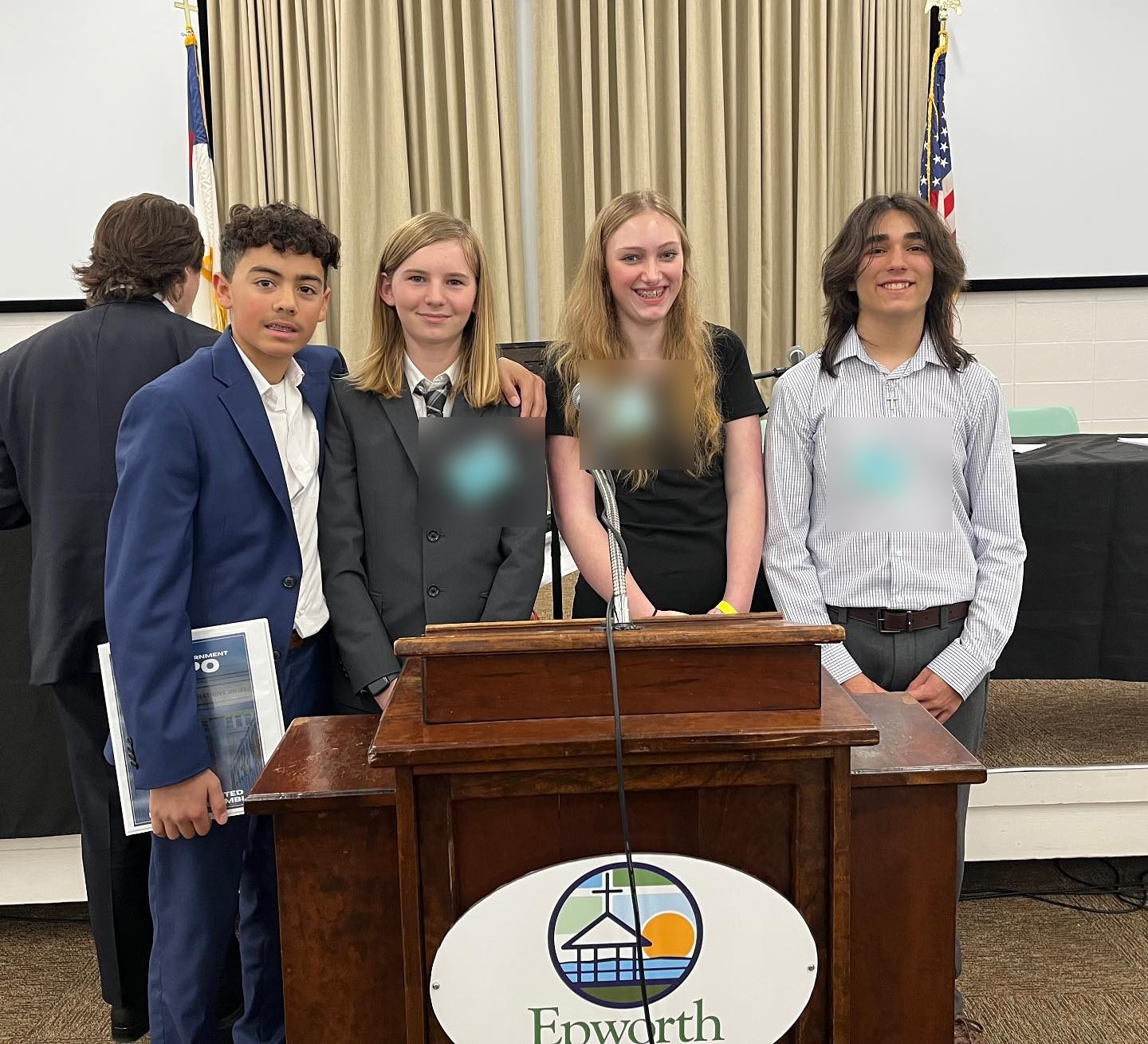
Much of the Middle School curriculum is organized around extended, project-based studies that intentionally cross subject lines, pairing history with literature, science with ethics, math with real data. Students research, build, present, and defend their work, rather than simply completing worksheets.
Field studies and community-connected projects take that work off campus, giving students the chance to test their thinking against real places, real people, and real problems, and to see how the ideas in their seminars actually operate in the world.
Room to go deeper into what students love.
Alongside their core interdisciplinary coursework, Middle School students continue AIA's specialist enrichment instruction and have the chance to pursue student-led activities that reflect their own interests.
Known well, guided closely.
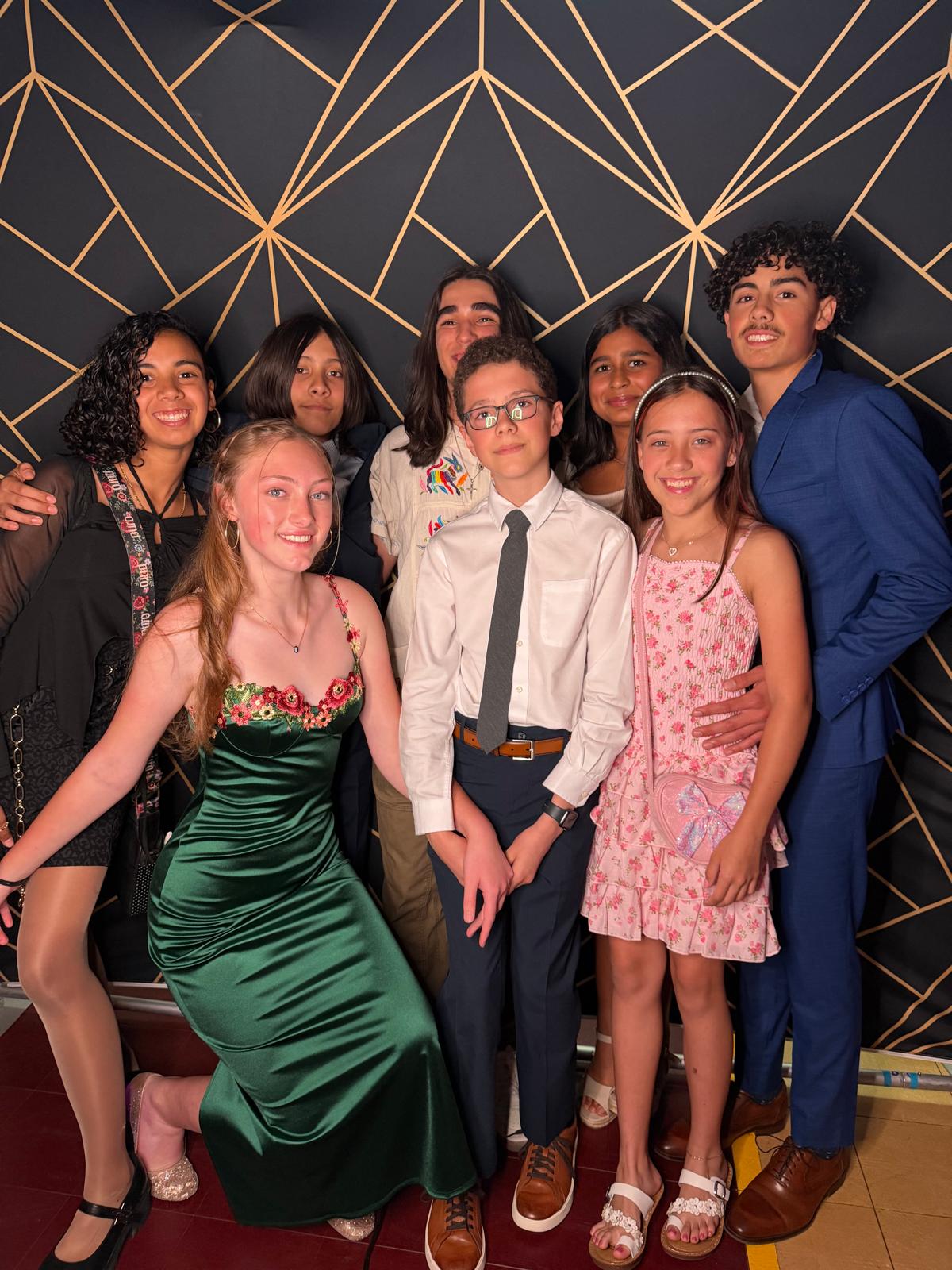
Our Middle School stays deliberately small. Guides know each student's strengths, struggles, and interests well enough to challenge them individually, not just as part of a class. That closeness carries into every seminar, project, and conversation about what comes next.
It also means students are never anonymous. They are known by name, trusted with responsibility, and mentored by adults who have often watched them grow since their earliest years at AIA.
What students carry forward into high school.
By the time they leave AIA, Middle School graduates carry forward genuine independence, the confidence to advocate for themselves academically, strong research and writing habits, comfort with leadership and public speaking, and the resilience that comes from having tackled real responsibility, not just simulated it.
What your child's day looks like.
A steady daily rhythm that helps children feel secure and know what comes next.
Community Meeting and Work Planning
Students gather to connect, plan their work, and take on shared responsibilities.
Interdisciplinary Seminars
Guided discussion and study that connects ideas across subjects.
Independent and Collaborative Academic Work
Extended time for self-directed study, research, and group projects.
Practical and Community-Based Responsibilities
Real responsibilities that build purpose, from campus stewardship to community involvement.
Lunch and Movement
A shared meal and time to move and recharge.
Projects, Enrichment, and Reflection
Time for ongoing projects, enrichment classes, and reflection on the day’s work.
“Will my child be ready for high school?”
This is the question that keeps families up at night in Grade 6, and it is the right one to ask.
Our graduates go on to public and independent high schools across the area. What their new teachers tend to notice is not what they know. It is that they manage their own time, ask for help before they are drowning, and can see a long project through without being chased.
Those are the habits that decide how a ninth grader does, and they are difficult to teach in a year. They are built over the years before it.